
Contents
- 1 Introduction
- 2 Understanding On-Page SEO
- 3 Why On-Page SEO Matters
- 4 Keyword Research and Placement
- 5 Title Tags and Meta Descriptions
- 6 6. Header Tags and Content Structure
- 7 7. Internal Linking Strategies
- 8 8. Optimizing Images and Multimedia – Tips from SEO Expert in Chennai
- 9 9. URL Structure and Schema Markup
- 10 10. Mobile Optimization and Page Speed
- 11 11. Tracking and Analytics
- 12 12. Conclusion
- 13 Frequently Asked Questions(FAQs)
Introduction
SEO expert in Chennai says on-page SEO helps websites rank higher. Without it, even good content may not show in search results. Also, proper on-page SEO improves user experience. Moreover, it increases engagement and lowers bounce rates. For example, 61% of marketers say improving on-page SEO is their top goal. Therefore, following expert tips can help your website grow faster and get more relevant visitors. As a result, businesses see better traffic, leads, and conversions.
Understanding On-Page SEO
- On-page SEO includes everything you do on your website.
- Internal links, meta tags, headings, and text are all covered here.
- It also improves the way search engines interpret your sites.
- Good on-page SEO increases a website’s chances of showing up on Google’s first page by 50%.
- As a result, more people can find your site.
- Moreover, it attracts the right audience.
- In addition, combining content with technical SEO delivers stronger results.
Why On-Page SEO Matters
- Search engines evaluate many on-page factors before ranking a site.
- For example, proper use of keywords, headings, and meta descriptions boosts visibility.
- Additionally, a neat and well-structured page layout keeps users interested.
- In addition, fast-loading pages and readable content help lower bounce rates.
- Consequently, on-page SEO enhances rankings, trust, and user engagement.
- Therefore, every website should focus on these details to remain competitive.
Keyword Research and Placement
4.1 Finding Keywords
- Make use of resources like Google Keyword Planner, Ahrefs, and SEMrush.
- Include main keywords and long-tail keywords naturally.
4.2 Where to Place Keywords
- Add them in the title, first paragraph, headings, and meta description.
- Don’t overuse keywords. Keep sentences natural.
- Also, long-tail keywords attract visitors who are likely to convert. Therefore, your content performs better. Moreover, updating keywords regularly improves rankings.
Title Tags and Meta Descriptions
- Keep titles under 60 characters for better visibility.
- Include main keywords naturally in titles.
- Write meta descriptions under 160 characters.
- Use action words to encourage clicks.
- Also, strong titles and descriptions help search engines understand your content.
- As a result, your pages get more traffic.
- Moreover, a well-written meta description can increase click-through rates.
6. Header Tags and Content Structure
- For the page’s primary title, use H1.
- Use H2 and H3 for subheadings.
- Break content into short paragraphs for readability.
- Include keywords naturally in headings.
- Also, clear headings make content easier to read.
- Consequently, search engines can index pages more effectively.
- Moreover, structured content helps visitors find information quickly and stay engaged.
7. Internal Linking Strategies
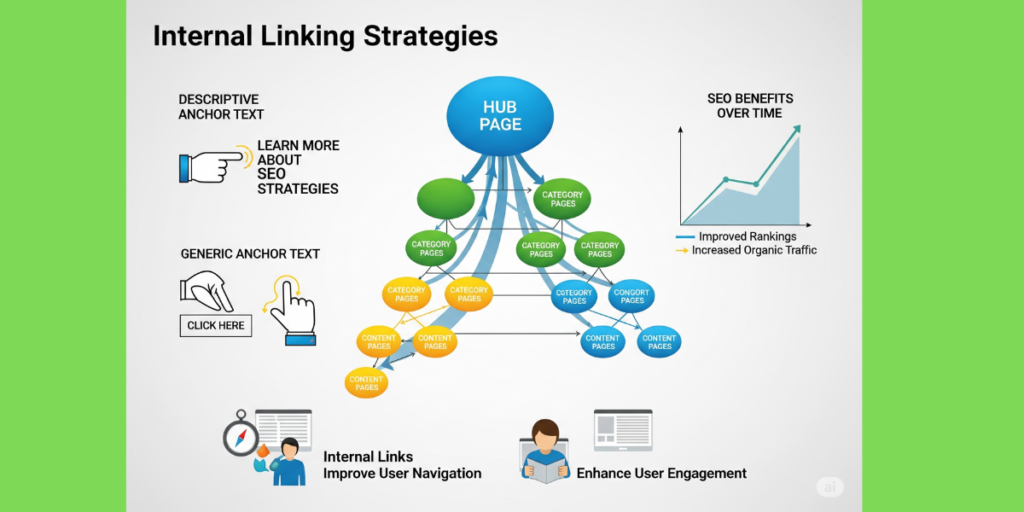
- Link pages logically to connect related content.
- Use descriptive anchor text that clearly shows the linked page’s topic.
- Avoid too many links on a single page to prevent clutter.
- Also, internal links guide users smoothly through your site.
- As a result, visitors stay longer, improving engagement metrics.
- Moreover, search engines recognize a structured site and link value spreads, boosting SEO.
8. Optimizing Images and Multimedia – Tips from SEO Expert in Chennai
8.1 Images:
- Add descriptive alt text to help search engines understand the image.
- Compress images for faster page loading and better user experience.
8.2 Multimedia:
- Add videos or infographics to support and enhance your content.
- Use multimedia to explain topics visually and engage visitors.
- Additionally, user engagement and page speed are enhanced with optimized graphics and videos.
- Consequently, visitors interact more with your content.
- Moreover, multimedia increases dwell time, which benefits SEO performance.
9. URL Structure and Schema Markup
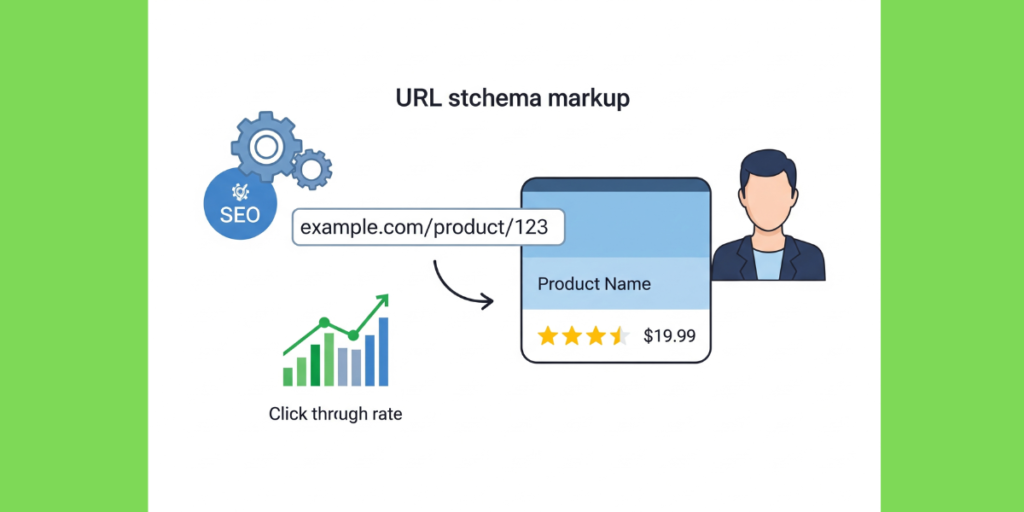
- Keep URLs short, clear, and easy to read.
- Firstly, include main keywords to help search engines understand page content.
- Additionally, to increase rich snippet exposure in search results, employ schema markup.
- Moreover, structured URLs guide users and boost click-through rates.
- Furthermore, search engines prefer organized and meaningful URLs.
- Also, combining keywords with schema increases relevance and ranking potential.
- As a result, your pages become more discoverable.
- Therefore, focus on SEO-friendly URLs for better search performance.
- In conclusion, proper URL structure and schema enhance both user experience and SEO.
10. Mobile Optimization and Page Speed
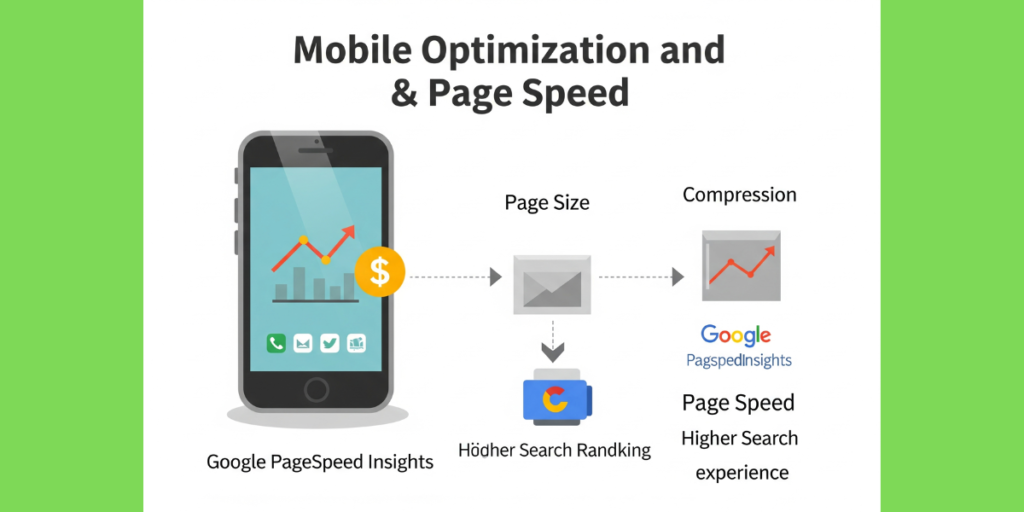
- Make your site mobile-friendly.
- Reduce page size and compress images.
- Test speed using Google PageSpeed Insights.
- Therefore, fast and responsive websites rank higher.
- Also, visitors stay longer and engage more.
- Moreover, mobile optimization improves both user experience and search visibility.
11. Tracking and Analytics
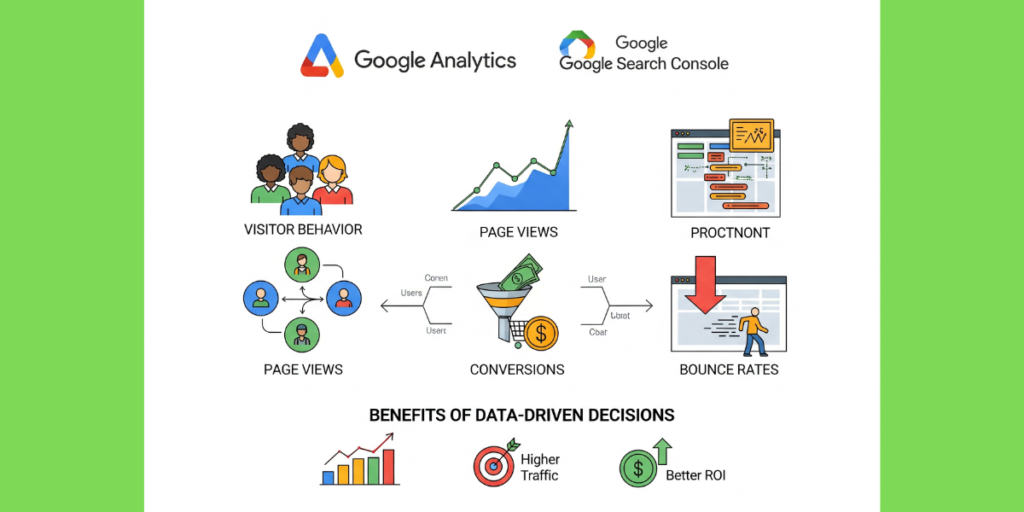
- First, set up Google Analytics and Search Console to monitor your site.
- Next, track visitor behavior, page views, and conversions regularly.
- Also, analyze which pages perform well and which need improvement.
- To further assess engagement, look at average session duration and bounce rates.
- Additionally, look for trends by comparing stats from month to month.
- Then, adjust your strategies based on the data insights.
- Finally, repeat tracking and updates continuously to improve SEO performance.
- Also, clear data helps make better decisions. As a result, your SEO efforts bring higher traffic, more leads, and better ROI.
12. Conclusion
Following advice from a SEO expert in Chennai improves rankings, engagement, and conversions. Also, proper keywords, headings, images, and links make your site stronger. Moreover, mobile-friendly pages and structured URLs improve visibility. In addition, ongoing tracking helps refine strategies.
Hire a leading SEO expert in Chennai to implement on-page SEO, boost traffic, and grow your business. Also, regular updates and expert advice keep your website competitive.
Frequently Asked Questions(FAQs)
1: How long does on-page SEO take to show results?
Usually, 3–6 months depending on competition.
2: Can beginners do on-page SEO?
Yes, expert guidance reduces errors and saves time.
3: Do meta descriptions affect rankings?
They mainly increase clicks, which helps rankings indirectly.
4: How often should I update on-page SEO?
Update content, keywords, and links every 3–6 months.
5: Does internal linking help SEO?
Yes, it improves navigation, spreads link value, and boosts rankings.
6: Are images important for SEO?
Yes, optimized images enhance speed, engagement, and rankings.
7: Can on-page SEO improve mobile performance?
Yes, proper layout, speed, and responsive design help mobile SEO.